Eye Health After 40: Everyday Habits That Help
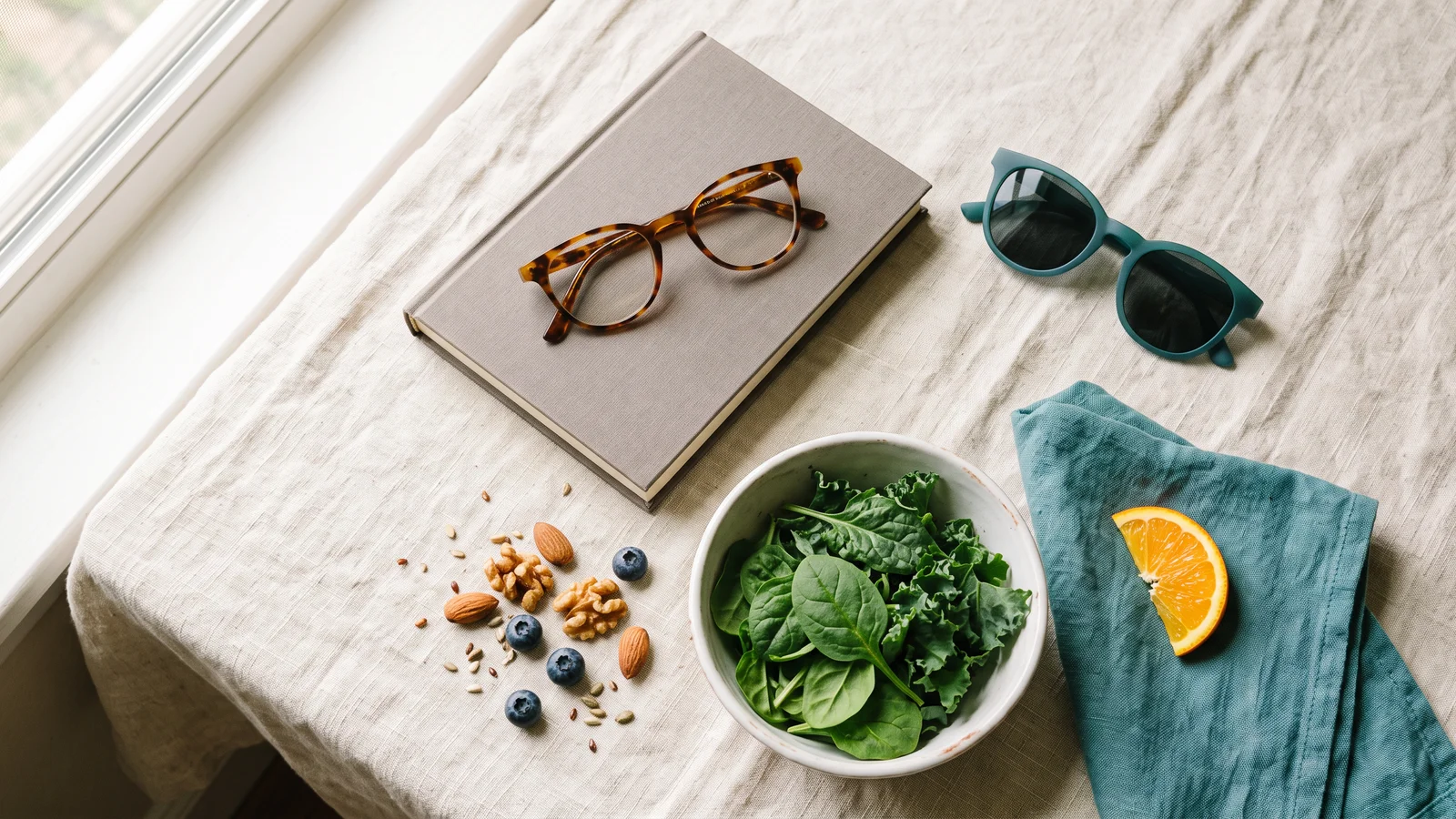
Reading a restaurant menu in low light, needing a little more distance from your phone, or feeling tired after a long workday can become familiar experiences in midlife. Eye health after 40 is less about chasing perfect vision and more about everyday comfort, less strain, and catching changes early enough to discuss them with an eye care professional.
Some changes are a normal part of aging. Others deserve prompt attention. A steady routine can help you feel more in control while giving your eyes the support they need.
Why vision often feels different after 40
One of the most common changes is presbyopia, the gradual loss of near-focusing flexibility. The lens inside the eye becomes less able to shift focus up close, which is why many people start holding reading material farther away or reach for reading glasses. This can happen even if you have never needed glasses before.
Dryness and visual fatigue may also become more noticeable. Hours of screen work, air conditioning, contact lenses, allergies, certain medications, and simply blinking less while concentrating can all contribute. You may experience burning, grittiness, watering, or vision that briefly clears after a blink.
Age alone is not the whole story. Diabetes, high blood pressure, smoking, family history, past eye injuries, and long-term sun exposure can affect eye health, too. That is why a comprehensive eye exam matters even when your vision seems mostly fine. Some eye conditions develop with few early symptoms.
Build everyday habits that support eye comfort
Small adjustments tend to be more useful than a short-lived health kick. Start with the parts of your day you can repeat.
Give screens a better setup
You do not need to avoid screens, but they encourage long stretches of focused viewing and reduced blinking. Position your screen about an arm's length away, keep the top of the monitor at or slightly below eye level, and adjust brightness so it is comfortable rather than glaring.
Try the 20-20-20 approach: every 20 minutes, look about 20 feet away for 20 seconds. This does not change your prescription, but it gives your focusing system a short break. If your eyes feel dry, make a conscious effort to blink fully a few times before returning to work.
Your environment matters as well. Direct fan or vent airflow can make dryness worse. If you work in a dry room, a humidifier or a change in seating position may offer more comfort than simply pushing through irritated eyes.
Protect your eyes outdoors
UV exposure adds up over time, including on cloudy days. Sunglasses that block both UVA and UVB rays are a practical daily choice when you are outside. A wide-brimmed hat adds another layer of protection, especially during long walks, yardwork, beach days, or time on the water.
Darker lenses are not automatically more protective. The label should clearly state UV protection. Wraparound styles can be useful in bright, windy, or reflective settings because they limit light entering from the sides.
Make sleep part of your eye routine
A poor night's sleep can leave eyes looking red and feeling dry or heavy the next day. Consistent sleep supports everyday recovery throughout the body, including the tissues that help keep your eyes comfortable.
If you wake with persistent dryness, irritation, headaches, or daytime fatigue, bring it up at your next appointment. It may be related to your sleep environment, eyelid closure, allergies, or another factor worth discussing.
Nutrition for eye health after 40
Food cannot replace regular eye care or correct every vision change, but a balanced eating pattern supports overall wellness and normal eye function. Rather than looking for one miracle nutrient, aim for variety across your plate.
Leafy greens such as spinach, kale, and collards provide lutein and zeaxanthin, naturally occurring carotenoids found in the eye. Colorful fruits and vegetables add a broad mix of nutrients, while eggs offer protein and can also contribute lutein and zeaxanthin. Fatty fish, including salmon and sardines, provide omega-3 fats that fit well in a heart-conscious eating pattern and may be a helpful choice for people focused on everyday eye comfort.
Vitamin C-rich produce, nuts, seeds, beans, and whole grains round out a practical approach. The goal is not perfect eating. It is making supportive foods ordinary: greens in a lunch bowl, berries with breakfast, fish once or twice a week when it suits you, and a handful of nuts instead of a highly processed snack.
Where supplements may fit
Supplements can be a convenient way to support a wellness routine, particularly when diet preferences, appetite, or busy schedules make consistent nutrition difficult. Eye health formulas often feature nutrients such as lutein, zeaxanthin, omega-3s, zinc, vitamins C and E, or other plant-based ingredients.
The right option depends on your goals, diet, medications, and personal health history. More is not always better, and a supplement is not a substitute for prescribed treatment or comprehensive exams. Look for fully disclosed labels and realistic claims centered on support rather than promises to restore vision or treat eye disease.
If you take blood thinners, manage a chronic condition, are preparing for surgery, or use regular medications, check with a qualified health professional or pharmacist before adding a new supplement. NaturaPeak lists supplements by health goal, and clear labels make it easier to understand what is in a formula and why it is there.
Don't overlook whole-body health
Your eyes are connected to the rest of your health. Blood sugar and blood pressure management are especially relevant because changes in circulation can affect the small blood vessels in the eyes. Keeping preventive medical visits, taking prescribed medication as directed, staying active, and choosing balanced meals can support more than one wellness goal at a time.
Smoking is another meaningful factor. Tobacco use is associated with several serious eye health concerns, along with heart and lung risks. If quitting has been difficult, consider asking your health care provider about support options that match your situation.
Hydration can also influence daily comfort, although drinking extra water is not a cure for dry eye. Aim for regular fluids throughout the day, particularly if you exercise, spend time outdoors in heat, or rely heavily on caffeinated drinks.
Know when to schedule an exam sooner
Routine eye exams help monitor changes in vision, update prescriptions, and assess eye health beyond what you can see in the mirror. The schedule varies based on age, risk factors, current vision needs, and your eye care professional's recommendations.
Do not wait for a routine visit if you experience a sudden change in vision, new flashes of light, a sudden increase in floaters, a dark curtain or shadow in your field of view, significant eye pain, marked redness, double vision, or an eye injury. These symptoms can require urgent evaluation. Sudden vision loss is an emergency.
Less urgent changes still deserve a conversation when they persist. Frequent headaches with reading, worsening glare while driving at night, ongoing dryness, or needing to change your glasses more often may have simple explanations, but an exam is the right place to sort that out.
A routine you can keep
You do not need a complicated routine to support your eyes after 40. Wear UV-blocking sunglasses, take real screen breaks, eat a wider range of colorful foods, prioritize sleep, and keep up with eye exams. Add supplements thoughtfully when they fit your needs and your health professional agrees they are appropriate.
The most helpful habit may be paying attention without panic. Your eyes give you useful signals. Treat changes as information, not alarms, and give yourself the benefit of regular professional care.
Related reviews
This article is for informational purposes only and does not constitute medical advice. Always consult a licensed healthcare provider in your jurisdiction before starting any supplement, particularly if you have a medical condition or take prescription medications.